Intention first, then interfaces.
I’ve spent the last 10+ years learning that good design is mostly about clarity.
Across SaaS and enterprise products I’ve shaped things end to end, from the first fuzzy problem statement to the smallest hover state, with teams at Plivo, Fulfil and Ambee. I care about the boring parts as much as the exciting ones: empty states, error messages, the fortieth edge case nobody asked about. That’s usually where a product earns trust.

How I think about the work.
Systems over screens
Any single screen I ship should make the next one easier to build. If a design only works because I’m the one maintaining it, it isn’t finished.
Ambiguity is the job
If the problem already had a clear shape, it wouldn’t need a designer. I’d rather sit in the mess for a week than force a clean answer too early.
Write it down
Rationale, edge cases, the “why not” behind a decision: docs are what let a system outlive the meeting where it was decided.
Stay till it ships
Design that stops at handoff is a guess about how it’ll turn out. I stay in the room through build so the guess doesn’t have to be final.
AI drafts, I decide
It’s fast at getting somewhere. It has no opinion on whether we should be there. That judgment call is still mine, every time.
The unglamorous parts are the product
Empty states, error copy, loading order: nobody screenshots these, but they’re what a person meets first. Most teams under-design them. I try not to.
Beyond the screen.
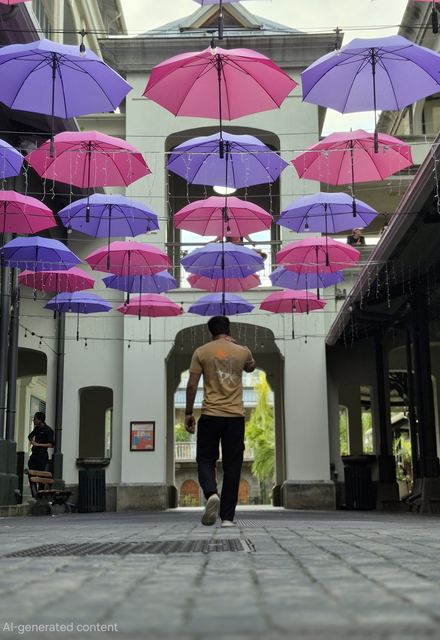
Photography taught me to notice what’s easy to miss: the light before it shifts, the frame within the frame.













I’m looking for a lead product design role. If you’re building that team, let’s talk.